
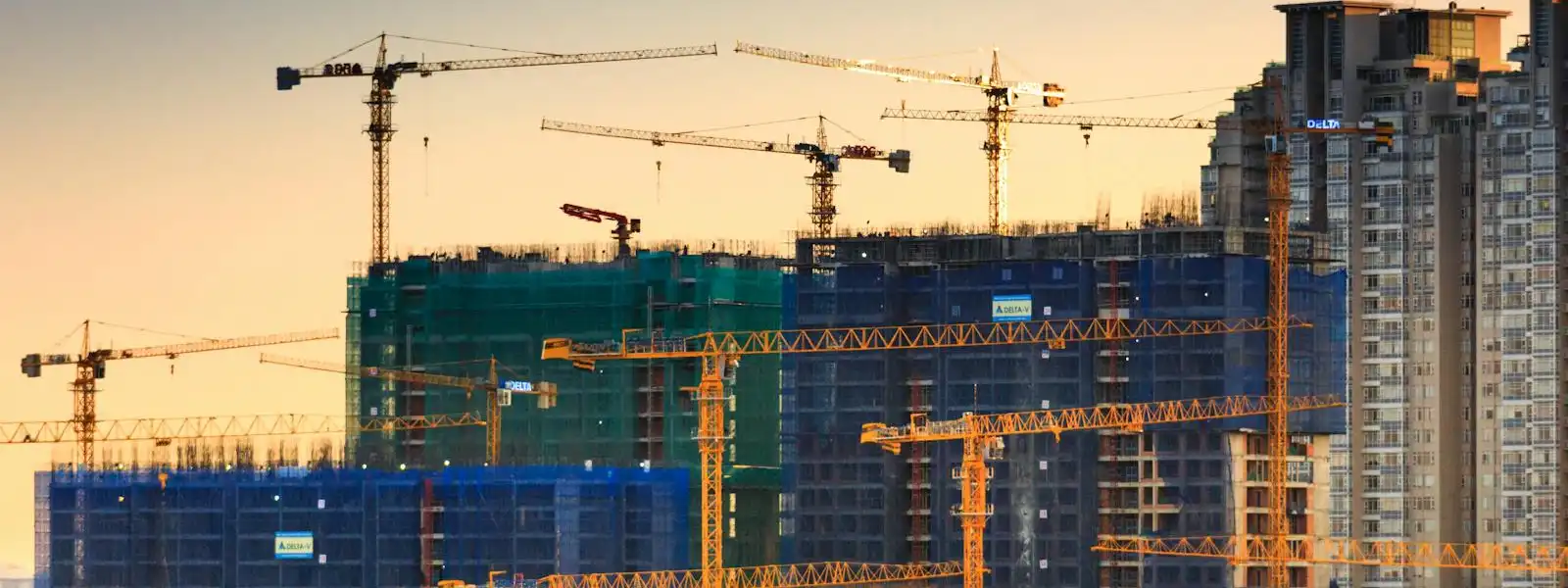
Residential Development in Oregon
WV Construction Group builds residential developments across Oregon -- from 4-lot infill projects in Salem to larger subdivision construction throughout the Willamette Valley. Site development through home construction under one contractor.
Residential Development Across the Willamette Valley
Residential development starts long before the first house goes up. It begins with land -- evaluating whether a parcel can support the number of lots you envision, whether the soil will drain, whether the city will approve your density, and whether the infrastructure costs make the project financially viable. These are the questions that determine whether a development succeeds or fails, and they need answers before you spend money on engineering and design.
WV Construction Group works with land developers, investors, and builder-developers who need a construction partner capable of handling both the horizontal work (site development, utilities, roads) and the vertical work (building homes). Our ability to manage both phases under one contract eliminates the coordination gaps that occur when different contractors handle site work and home construction. It also provides more accurate budgeting because we understand how site conditions affect home construction costs.
The Willamette Valley's residential development landscape is shaped by Oregon's land use planning system. Urban Growth Boundaries, minimum density requirements, and stormwater management regulations all affect what can be built and where. Salem's recent comprehensive plan updates have opened additional land for residential development, particularly in South Salem and along the I-5 corridor. We navigate these regulations daily and factor them into every project assessment.
Development Projects We Handle
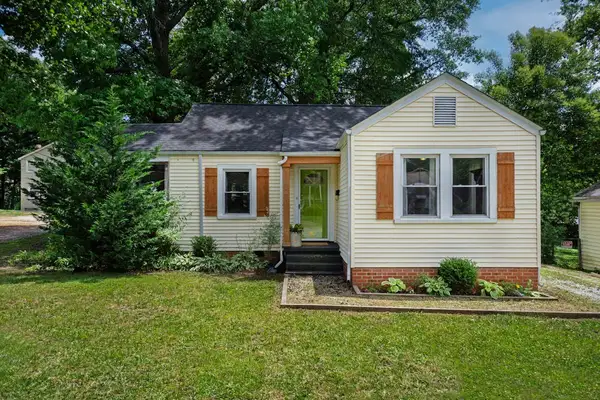
Subdivision Construction
Complete subdivision development from raw land through finished homes. Street construction, utility installation, stormwater infrastructure, lot grading, and home building across multiple lots.
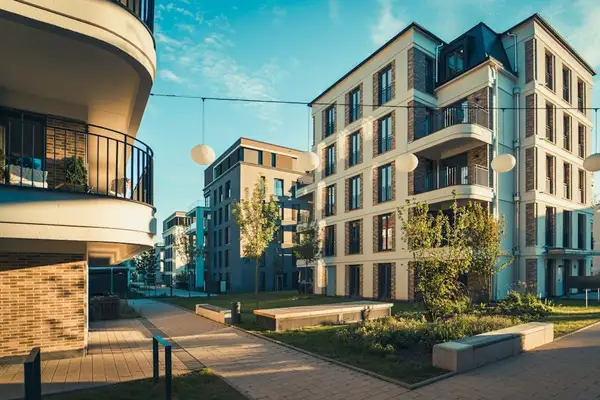
Infill Development
Building on vacant or underutilized lots within established neighborhoods. Partition plats, flag lots, and small-scale developments that add housing density in areas already served by existing infrastructure.
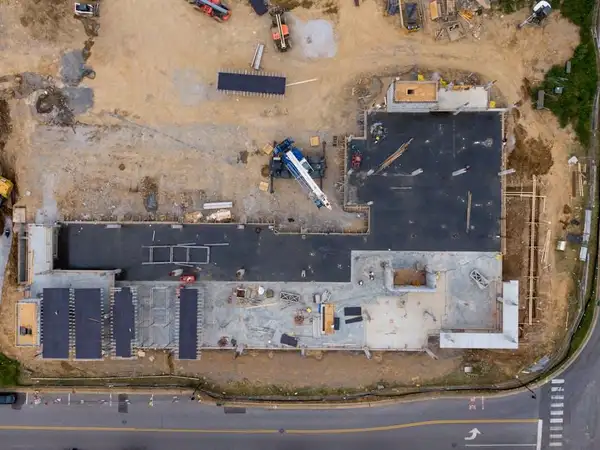
Lot Development Only
Horizontal site work to create buildable lots for sale to individual homeowners or other builders. Grading, utility stubouts, road construction, and stormwater facilities delivered as pad-ready lots.
What Residential Development Involves
- Land feasibility analysis and due diligence
- Subdivision platting and partition applications
- Civil engineering coordination -- grading, drainage, utilities
- Street and sidewalk construction to city standards
- Water, sewer, and storm drain installation
- Stormwater detention and treatment facilities
- Electrical and telecommunications conduit
- Individual lot grading and preparation
- Home construction -- spec, custom, or production
- Landscaping and common area improvements
- Final plat recording and lot conveyance
- Warranty period management and HOA transition
We work with your civil engineer, surveyor, and planning consultant to move the project from concept through entitlement. Once construction begins, our team manages the daily field operations, subcontractor coordination, and inspection schedule.

Navigating Oregon's Development Regulations
Oregon's land use planning system is among the most regulated in the country. Understanding how these regulations affect residential development is critical to project success. Missteps in the entitlement process can delay projects by months or make them financially unviable.
Planning and Entitlements
- Urban Growth Boundary constraints on development location
- Minimum density requirements in residential zones
- Oregon HB 2001 middle housing allowances
- Transportation Planning Rule traffic impact requirements
- Wetland delineation and mitigation if applicable
Infrastructure Standards
- City of Salem Public Works improvement standards
- Stormwater management per DEQ and local requirements
- System Development Charges (SDCs) for each lot
- Street width, sidewalk, and curb standards
- Fire access and turnaround requirements
How Residential Development Works
Land Evaluation
We assess the parcel for buildability, yield potential, and infrastructure costs. Soil conditions, slopes, wetlands, utility access, and zoning are all evaluated to determine if the project is feasible at your target lot price or home price.
Entitlement and Engineering
Working with your planning consultant and civil engineer, we support the land use application, subdivision plat, and construction document development. We provide construction cost input that shapes the site design to optimize buildability and cost.
Site Development
Mass grading, utility installation, street construction, stormwater infrastructure, and individual lot preparation. This horizontal work creates the platform for home construction and must be completed and inspected before vertical building begins.
Home Construction
Building homes on the prepared lots -- spec, custom, or production models depending on the development strategy. Efficient scheduling across multiple homes reduces per-unit costs through shared mobilization and material procurement.
Residential Development FAQ
More from WV Construction Group
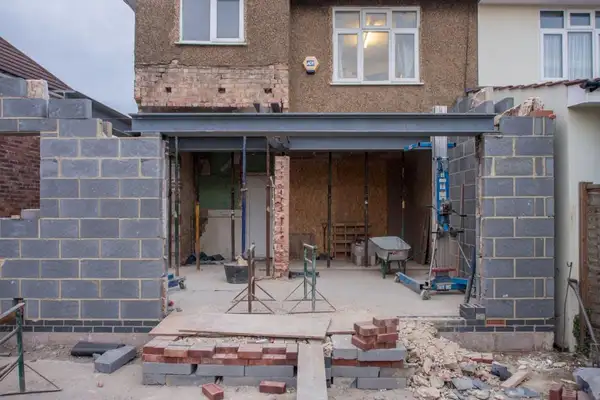
New Home Construction
Individual custom and spec home builds on your lot or ours.
Learn More →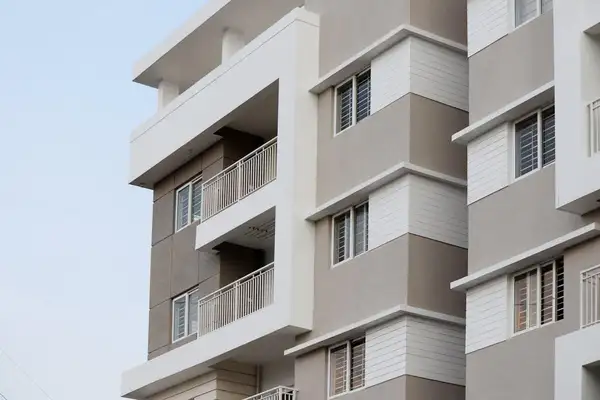
Small Development Projects
ADUs, duplexes, and small-scale infill projects in established neighborhoods.
Learn More →
Condo Development
For-sale condominium and townhome construction projects.
Learn More →Let's Build Something Great Together
Contact WV Construction Group for a free consultation on your residential development project in Oregon.