
Before booking a general contractor, turn each broad promise into something you can compare. “We handle everything” is less useful than a written explanation of who develops the scope, coordinates trades, manages permits and inspections, approves changes, and leads the final walkthrough.
That distinction matters for Salem projects with several moving parts. An existing home may raise structural, plumbing, electrical, moisture, access, or occupied-space questions. An addition or new build may depend on drawings, site conditions, utilities, product selections, permit review, and material lead times. A clear booking conversation identifies those dependencies before they become surprises.
1. Does This Project Match the Contractor’s Role?
Start by describing the result you want, not just naming a room. Ask which parts of the work the contractor would manage and which would remain with you or another professional. A general contractor can be especially useful when a project requires one point of coordination across demolition, structure, plumbing, electrical work, finishes, inspections, and scheduling.
For a home remodeling project, ask how the team evaluates connections to existing walls, floors, utilities, and finishes. For a home addition, ask when foundation, roof tie-in, drainage, access, and utility questions enter the plan. The answer should show whether the contractor understands the type of coordination your job may require.
2. What Information Is Needed Before the Price Is Dependable?
A useful early estimate should identify its assumptions. Ask what the contractor has observed, what remains concealed, which selections are still open, and whether drawings or specialist input are needed. If a wall has not been opened or a product has not been selected, the proposal should not treat that uncertainty as a settled fact.
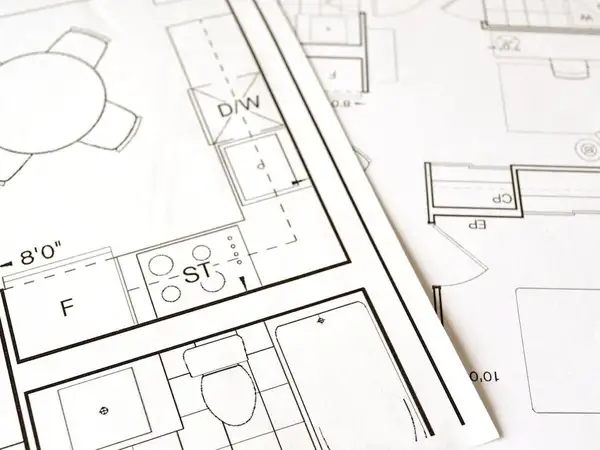
Bring photos, existing plans if available, finish ideas, known repair history, access constraints, and your priorities. Be candid about budget and timing. Giving every contractor the same information makes the comparison more meaningful and helps reveal where one proposal includes work another has left out.
3. Which Documents Will I Review Before Booking?
Ask to see how the project will be documented. Depending on the stage and scope, that may include a written proposal, scope of work, allowances or selections, exclusions, payment milestones, schedule assumptions, permit responsibilities, and a change-order process.
Read the documents as a connected set. If demolition is included, what happens to disposal? If a fixture allowance is listed, who purchases it and what happens when the selection costs more or less? If permits are included, which submissions, fees, inspections, and responses are covered? Specific questions expose gaps before they affect price or schedule.
4. How Is the Price Structured?
Homeowners often ask what a general contractor charges per hour, but a single hourly rate rarely explains the total cost of a multi-trade project. Limited work may be billed by time and materials. Larger work may use fixed-price, cost-plus, or another documented arrangement.
Ask which structure applies, what labor, materials, fees, supervision, and subcontracted work are included, and how allowances or changes are reconciled. Then compare equivalent scopes. A lower total may reflect fewer included tasks, different product assumptions, or more responsibility assigned to the owner.
5. What Must Happen Before the Start Date Is Firm?
Ask the contractor to name each dependency between booking and field work. Common examples include final drawings, permit review, deposits, owner selections, material availability, trade scheduling, site preparation, and access arrangements. The answer should also identify who is responsible for each item.
For local context, review WV Construction Group’s Salem service area page. Your own proposal should still address the conditions and approval path for your specific property rather than relying on a general timeline.
6. How Will Decisions and Changes Be Communicated?
Ask who your day-to-day contact will be, how often project updates are provided, and how urgent decisions are handled. Then ask for the change process: how new work or a changed selection is described, priced, approved, and added to the schedule before the work proceeds.
A clear process protects both sides. The homeowner can see the cost and timing effect before approving a change, while the contractor and trades have a written record of the new direction.
7. How Will the Site Be Protected While Work Is Underway?
If you will remain in the home, discuss working hours, entry, parking, pets, temporary utility interruptions, dust control, material storage, and separation from occupied rooms. Ask who handles daily cleanup and how an issue should be reported.
Site planning should fit the work. A bathroom or kitchen remodel may need a temporary plan for spaces you use every day. An addition may need exterior access and a defined point where new construction connects to the occupied home.
8. What Happens at Closeout and After Handoff?
Before booking, ask how the final walkthrough works, how remaining items are recorded, what marks completion, and which manuals, product information, approvals, or warranty documents will be delivered. Separate manufacturer warranties from any coverage offered by the contractor, and confirm whom to contact after handoff.
Closeout is part of the project scope, not an afterthought. A complete answer should explain both how the last details are resolved and what information the owner retains for future maintenance.
Turn Answers Into a Booking Decision
| Question area | What to record | Where it should appear |
|---|---|---|
| Project fit | Work managed by the contractor and work handled by others | Scope or proposal |
| Price | Included costs, allowances, exclusions, and adjustment method | Proposal or agreement |
| Schedule | Open decisions, approvals, lead times, and responsible party | Schedule assumptions |
| Changes | Description, price effect, schedule effect, and approval | Change record |
| Handoff | Walkthrough, remaining items, documents, and follow-up contact | Closeout plan |
Frequently Asked Questions
What is the best way to find a general contractor in Salem?
Start with contractors who handle your project type, confirm their current credentials, and give each candidate the same project summary. Compare the written scope, exclusions, pricing structure, schedule assumptions, communication plan, change process, and closeout responsibilities before deciding.
What do general contractors charge per hour?
There is no single hourly rate that accurately compares every contractor or project. Some work is billed by time and materials, while larger projects may use fixed-price, cost-plus, or another written structure. Ask what the price includes and how allowances, fees, and changes are handled.
What should I not say to a general contractor?
Do not hide known property problems, access limits, budget constraints, or schedule requirements to obtain a lower early estimate. Clear information helps the contractor identify assumptions and explain what must be inspected or selected before a dependable proposal can be prepared.
How do I compare reputable residential general contractors in Salem?
Confirm that each contractor is a fit for the work, review current credentials and relevant references, and compare equivalent written proposals. A useful comparison covers scope, exclusions, materials, responsibilities, price structure, schedule dependencies, changes, communication, site protection, and final handoff.
For more preparation help, review the side-by-side Salem contractor comparison guide and bring both checklists to your first consultation.