
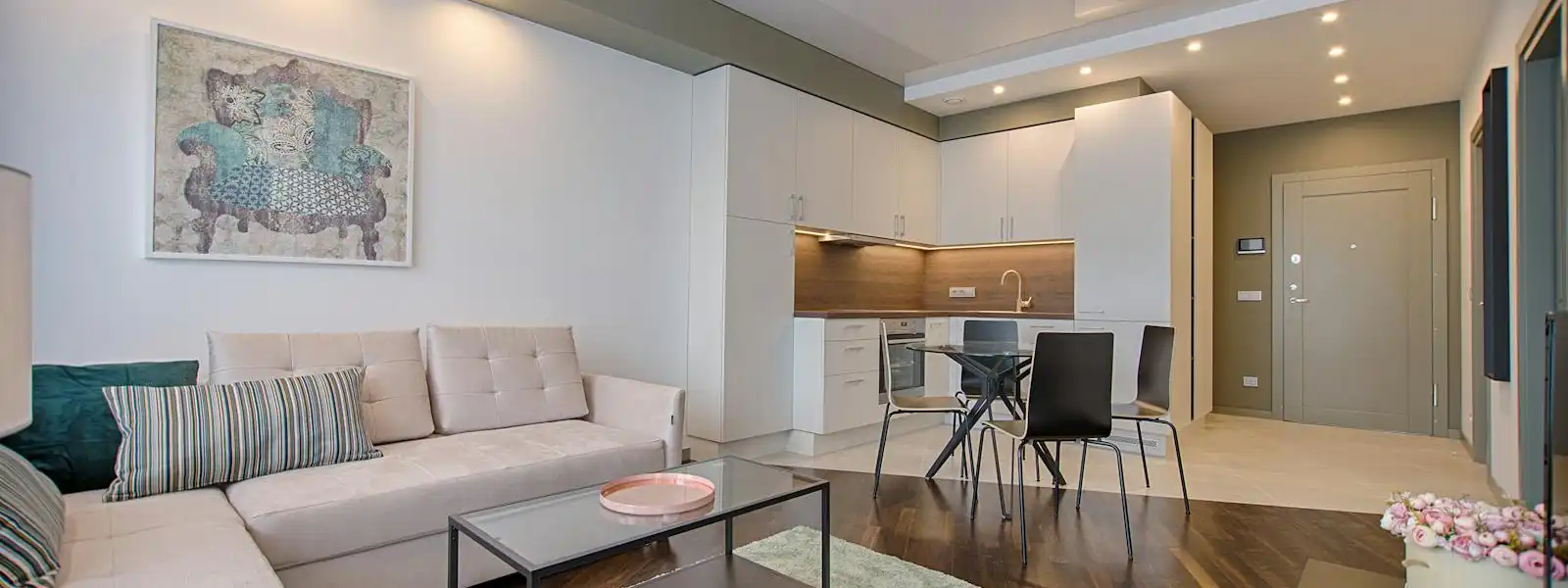
Spring is the best season to start a home renovation in Salem, Oregon. The Willamette Valley's mild temperatures, longer daylight hours, and drier weather between April and October create ideal conditions for both interior and exterior construction work. Starting your planning now means your project can break ground before the summer rush drives up contractor availability and lead times for materials.
Whether you are considering a kitchen remodel, a room addition, or a full whole-home renovation, the decisions you make during the planning phase determine whether your project stays on budget and on schedule. This guide walks through the key steps Salem homeowners should take before any work begins.
Why Spring Is the Ideal Time to Start
Oregon's construction calendar revolves around weather. The rainy season -- roughly October through March -- makes exterior work difficult. Excavation becomes muddy, concrete curing slows down, and roofing crews lose days to rain. Once April arrives, conditions improve dramatically.
According to Weather.gov historical data for Salem's McNary Field station, average rainfall drops from 4.6 inches in March to 2.7 inches in April and just 2.1 inches in May. Average daily high temperatures climb into the upper 50s and low 60s -- comfortable working conditions that help crews stay productive.
Starting a renovation in spring also means your project finishes before fall and winter. For projects that involve exterior work -- foundations, siding, roofing, window installation, or home additions -- completing before the rains return in October is critical. Interior-only projects like bathroom remodels can run year-round, but even those benefit from the spring and summer months when windows can stay open for ventilation during painting, staining, and adhesive curing.
Step 1: Define Your Project Scope
The most common mistake homeowners make is starting construction without a clearly defined scope. A renovation that begins as "update the kitchen" can easily expand into moving walls, replacing windows, rewiring electrical panels, and upgrading plumbing -- tripling the original budget.
Before contacting any contractor, write down your goals in specific terms. Consider these questions:
- What problem are you solving? (More space, outdated finishes, energy efficiency, accessibility, resale value)
- Which rooms are involved?
- Are you changing the floor plan or keeping the existing layout?
- What is your maximum budget, including a 10-15% contingency?
- When does the project need to be finished?
- Will you live in the home during construction?
Having clear answers to these questions before your first contractor meeting saves significant time and prevents scope creep later.
Step 2: Understand Salem Permit Requirements
Nearly every renovation in Salem that goes beyond cosmetic updates requires a building permit from the City of Salem Building and Safety Division. The specific permits you need depend on the type of work involved.
Projects That Require Permits
- Structural modifications (wall removal, load-bearing changes, foundation work)
- Electrical work beyond basic fixture swaps
- Plumbing changes (moving fixtures, adding new supply or drain lines)
- HVAC system modifications
- Room additions and ADU construction
- Window and door replacements that change the opening size
- Roofing replacement (in most cases)
Projects That Typically Do Not Require Permits
- Interior painting and wallpaper
- Flooring replacement without subfloor changes
- Cabinet and countertop replacement (same layout)
- Hardware, fixtures, and accessory upgrades (like-for-like)
- Landscaping and minor outdoor improvements
Permit fees in Salem range from $200 to $2,000 depending on project scope. The City of Salem typically processes straightforward residential permits within 2-4 weeks. Complex projects that require structural engineering review or land use approval may take 4-8 weeks. Filing early in spring gives you the best chance of breaking ground by late spring or early summer.
An experienced general contractor handles all permitting on your behalf -- preparing applications, submitting plans, and scheduling inspections at each construction milestone.
Step 3: Set a Realistic Budget
Renovation costs in Salem and Marion County have increased over the past several years, driven by rising material costs, strong demand, and Oregon's above-average labor rates. Setting a realistic budget requires understanding current local pricing.
Current Cost Ranges for Common Projects in Salem (2026)
| Project Type | Typical Cost Range |
|---|---|
| Kitchen Remodel (mid-range) | $25,000 - $75,000 |
| Bathroom Remodel (mid-range) | $10,000 - $35,000 |
| Room Addition (per sq ft) | $150 - $300 |
| Whole-Home Remodel | $75,000 - $250,000+ |
| ADU Construction (detached) | $150,000 - $350,000 |
| Deck or Patio Addition | $8,000 - $25,000 |
These numbers include labor, materials, permits, and project management. Data is based on actual project costs in the Salem market and reflects Oregon's labor rates, which run approximately 5-8% above the national average according to the Bureau of Labor Statistics.
The 10-15% Contingency Rule
Always budget a 10-15% contingency above your planned project cost. Renovations in older Salem homes -- many built before 1980 -- frequently uncover hidden issues once walls and floors are opened up. Common surprises include:
- Outdated wiring (knob-and-tube or aluminum) that needs replacement
- Galvanized or cast iron plumbing that has corroded
- Water damage, dry rot, or mold behind walls and under flooring
- Asbestos in older insulation, tile, or flooring adhesive
- Structural issues like undersized joists or inadequate foundations
A contingency fund absorbs these costs without derailing your project. If you do not encounter any surprises, you keep the money.
Step 4: Choose the Right Contractor
Hiring the right contractor is the single most important decision in any renovation. In Oregon, all contractors performing work valued at $1,000 or more must hold an active Oregon Construction Contractors Board (CCB) license. This is not optional -- it is state law.
What to Verify Before Hiring
- CCB License: Search the Oregon CCB website (ccb.oregon.gov) to verify active license status, bond, and insurance
- Insurance: General liability insurance (minimum $1 million) and workers' compensation coverage
- References: Ask for 3-5 recent projects similar in scope to yours -- then actually call them
- Written Estimate: A detailed, itemized proposal that breaks down labor, materials, permits, and timeline
- Communication Style: Does the contractor return calls promptly? Do they explain things clearly? Your relationship with them will last weeks or months
Avoid contractors who ask for more than 10% down before work begins, refuse to pull permits, cannot provide proof of insurance, or pressure you into signing immediately. These are warning signs that frequently lead to problems.
Step 5: Plan for Living Through a Renovation
Most Salem homeowners stay in their homes during renovations, but it requires planning. The level of disruption depends on the project scope and which rooms are affected.
Kitchen Renovations
A kitchen remodel typically takes 6-12 weeks. Set up a temporary kitchen in another room with a microwave, mini fridge, and portable cooktop. Plan for more takeout than usual. If your renovation involves removing all counters and appliances simultaneously, the disruption is significant for the first 2-3 weeks.
Bathroom Renovations
If you have a second bathroom, a bathroom remodel is manageable. If your only bathroom is being renovated, discuss staging the work so you have access to a working toilet and shower at all times -- most experienced contractors can sequence the work to make this possible.
Major Renovations and Additions
Whole-home remodels and large additions may make temporary relocation more practical. If you need to move out temporarily, plan for 2-4 months of alternative housing costs. Factor this into your overall project budget from the beginning.
Step 6: Create a Realistic Timeline
One of the most common frustrations in home renovation is timeline expectations that do not match reality. Here is a realistic breakdown of how long the full process takes in Salem, from first phone call to project completion.
| Phase | Typical Duration |
|---|---|
| Contractor Selection and Estimates | 2 - 4 weeks |
| Design and Material Selection | 2 - 6 weeks |
| Permit Application and Approval | 2 - 8 weeks |
| Material Ordering and Lead Times | 2 - 8 weeks |
| Active Construction | 2 weeks - 6+ months |
If you begin the planning process in late April, a mid-range kitchen or bathroom remodel could realistically break ground in June or July and wrap up before fall. A larger project like a room addition or second-story build needs more lead time -- starting now would target an August or September construction start with completion by early winter.
Spring Renovation Opportunities Specific to Salem
Several renovation categories are particularly well-suited to spring starts in the Willamette Valley.
ADU Construction
Oregon's ADU-friendly legislation (House Bill 2001) has made accessory dwelling units one of the fastest-growing construction categories in Salem. Spring is the ideal time to begin an ADU project because the full construction timeline -- foundation, framing, roofing, and exterior finishes -- fits neatly within the dry season. Most detached ADUs take 5-8 months from groundbreaking to move-in.
Exterior-Dependent Projects
Siding replacement, window installation, roofing, deck construction, and foundation work all depend on dry weather. Starting these projects in spring maximizes the available dry days and provides schedule flexibility if rain delays do occur. Waiting until July or August to start exterior work leaves less margin before the fall rains return.
Energy Efficiency Upgrades
Spring is an excellent time to address insulation, windows, and HVAC systems. Completing energy upgrades before summer means lower cooling bills, and the improvements will be fully in place before heating season returns in October. Oregon's Energy Trust offers rebates for qualifying efficiency improvements -- check with your contractor about which upgrades may qualify.
Start Your Spring Renovation Plan Today
The best renovation outcomes start with thorough planning. If you are considering a home renovation project in Salem, Keizer, Albany, Corvallis, or anywhere in the Willamette Valley, the next step is a free in-home consultation with an experienced contractor.
WV Construction Group provides free, detailed estimates for residential remodeling, home additions, kitchen remodels, bathroom renovations, and new home construction throughout the Willamette Valley. We walk through your space, discuss your goals and budget, and provide a transparent written proposal so you know exactly what to expect before any work begins.
Contact us today or call 503-798-8094 to schedule your free spring renovation consultation.