
503-798-8094
Licensed general contractor planning a Salem Oregon construction project

General Contractor Questions Salem, OR Homeowners Ask Before Booking

Use these questions to compare scope, permits, schedule, allowances, and communication before choosing a contractor for your Salem construction project.

Before booking a general contractor in Salem, OR, ask questions that show how the contractor will manage scope, permits, licensing, schedule, trade coordination, allowances, change orders, and communication. Those details determine whether a construction estimate is useful, whether the schedule is realistic, and whether the finished project has one clear point of accountability.

WV Construction Group LLC is a Salem-based general contractor serving homeowners, property owners, and commercial clients across the Willamette Valley. We manage home remodeling, home additions, new home construction, commercial construction, and multi-family work. If you are comparing contractors for a project in Salem, these questions will help you separate a quick price from a construction plan that can actually be built.

What Work Is Included in the Written Scope?

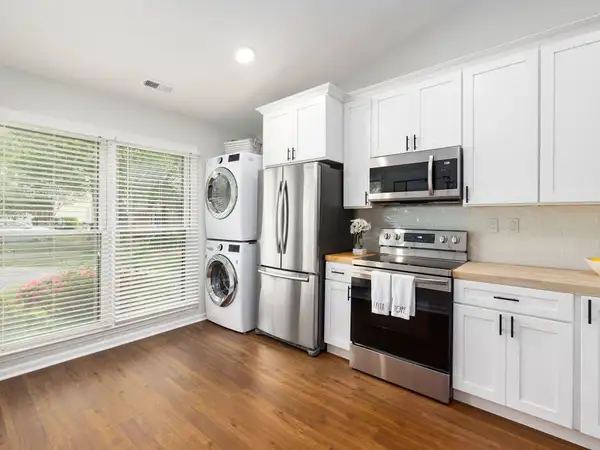
Start with the scope, not the price. Ask the contractor to explain exactly what is included, what is excluded, and what still needs a decision. For a kitchen remodel, that may include cabinetry, counters, flooring, appliance locations, plumbing, lighting, ventilation, wall removal, and finish carpentry. For a bathroom remodel, it may include waterproofing, subfloor repair, ventilation, fixture locations, tile layout, and plumbing access.

For larger Salem projects, the scope can expand quickly. A home addition may require site access planning, roof tie-ins, foundation work, drainage review, structural engineering, utilities, and inspection scheduling. A commercial tenant improvement may involve ADA details, mechanical capacity, fire/life-safety requirements, landlord coordination, and business interruption planning. Ask for a proposal that names those pieces clearly so you understand what the contractor is pricing.

Who Handles Permits and Inspections?

Many Salem construction projects need permit review when they involve structure, electrical, plumbing, mechanical systems, new square footage, commercial occupancy, or life-safety items. Ask who prepares the permit documents, who communicates with the reviewing jurisdiction, who schedules inspections, and how correction notices are handled if they come up.

Permit planning should happen before the work schedule is promised. A contractor may need design details, engineering, trade input, or product selections before the permit path is clear. That is especially important for additions, new homes, commercial work, and remodels that change walls, utilities, or occupancy. WV Construction Group discusses permit needs early so the construction plan reflects the real path from estimate to final walkthrough.

How Do You Verify Licensing, Insurance, and Trade Coordination?

Ask whether the contractor holds current Oregon CCB licensing and how insurance, bonding, and subcontractor coverage are handled. A general contractor is responsible for more than calling trades. The work often requires electricians, plumbers, HVAC technicians, framers, concrete crews, roofers, siding installers, drywall teams, painters, and finish carpenters to complete their work in the right order.

Trade coordination matters because one missed step can affect the next inspection, the next material delivery, or the next room in the house. WV Construction Group gives Salem homeowners and business owners a central point of contact for scheduling, site coordination, field questions, change documentation, and final walkthrough details. If your property is just north of Salem, our general contractor in Keizer, OR page covers nearby planning concerns for that service area.

What Assumptions Could Change the Price?

A reliable estimate should tell you what is known and what is still assumed. Cabinets, counters, tile, flooring, windows, doors, fixtures, siding, appliances, and specialty finishes can all change the project price if they are not selected or allowance-based. Hidden conditions can also affect the scope after demolition begins, especially in older homes where wiring, plumbing, framing, moisture damage, or past repairs may not be visible during the first visit.

Ask how the contractor handles allowances and concealed conditions. You should know how selections are approved, how added work is priced, and how changes affect the schedule. A lower number with vague allowances may not be a better value than a more detailed proposal that names the choices still ahead.

What Controls the Schedule?

Instead of asking only how long the project will take, ask what controls the schedule. The answer may include design decisions, permit review, engineering, owner selections, material lead times, demolition findings, inspection availability, weather, and subcontractor sequencing.

In the Willamette Valley, wet-season planning can affect excavation, exterior openings, roofing, siding, concrete, drainage, deliveries, and site access. Interior remodels are less exposed to weather but still depend on the right order of rough-in, inspection, drywall, cabinet installation, finish work, and cleanup. A contractor who can explain the schedule drivers is giving you a more useful answer than one who names a quick date without the assumptions behind it.

How Are Changes Approved During Construction?

Change orders are part of construction when the owner adds scope, a concealed condition is discovered, a selection changes, or the design needs adjustment. The problem is not the existence of a change. The problem is a change that is verbal, unclear, or not approved until after the cost has already been incurred.

Ask how changes are documented, priced, approved, and scheduled. For kitchen remodels and bathroom remodels, common change points include fixture selections, tile layout, electrical upgrades, ventilation, plumbing access, cabinet details, and repair work found after demolition. For additions and new homes, changes may involve windows, exterior finishes, utility routes, structural details, drainage, or finish selections.

Who Will Communicate With Me After Work Starts?

Ask who your day-to-day contact will be and how updates are shared. For occupied remodeling, ask about dust control, work zones, parking, material staging, daily cleanup, pets, children, and access to the home during construction. For commercial projects, ask about tenant coordination, business hours, delivery timing, inspection milestones, site safety, and communication with landlords or property managers when needed.

Good communication also starts before the first site visit. Gather the property address, photos of the current space, existing plans if available, rough timing, budget range, and the outcome that matters most to you. Those details help WV Construction Group discuss the right service path, whether you need general contracting, a targeted remodel, a home addition, new construction, or commercial construction.

Does the Contractor Serve My Project Area?

WV Construction Group serves Salem and nearby Willamette Valley communities including Keizer, Albany, Corvallis, Portland, Beaverton, Tigard, Lake Oswego, Oregon City, McMinnville, Silverton, and Wilsonville. Review the service areas page to confirm current coverage for your address and compare nearby local pages.

The right contractor should understand both the service and the setting. A Salem remodel in an occupied home has different planning needs than a new custom home, a retail build-out, or an apartment complex update. WV Construction Group helps property owners define the category, the permit path, the likely trades, and the decisions needed before construction begins.

Bring Your Questions to WV Construction Group

For general contracting, remodeling, additions, new home construction, commercial construction, or multi-family work in Salem and the Willamette Valley, call 503-798-8094 or send your project details through the contact form.

FAQ: General Contractor Questions in Salem, OR

What should I ask before booking a general contractor in Salem, OR?

Ask how the contractor defines scope, verifies licensing and insurance, handles permits, coordinates trades, documents allowances, approves change orders, protects the schedule, and communicates during construction.

Why should a Salem contractor review the property before giving a firm estimate?

A property review helps identify existing structure, utilities, access, drainage, hidden conditions, permit requirements, owner selections, and trade sequencing that can change the cost or timeline.

Do general contractors handle permits for Salem remodels and additions?

A full-service general contractor should help identify permit needs and coordinate permit and inspection steps for structural work, electrical, plumbing, mechanical systems, additions, new construction, commercial work, and life-safety items.

How early should I contact WV Construction Group about a Salem project?

Contact WV Construction Group when you have a project address, rough goals, timing, budget range, photos, or plans. Early planning helps clarify scope, permits, trade needs, and scheduling before construction decisions become urgent.